

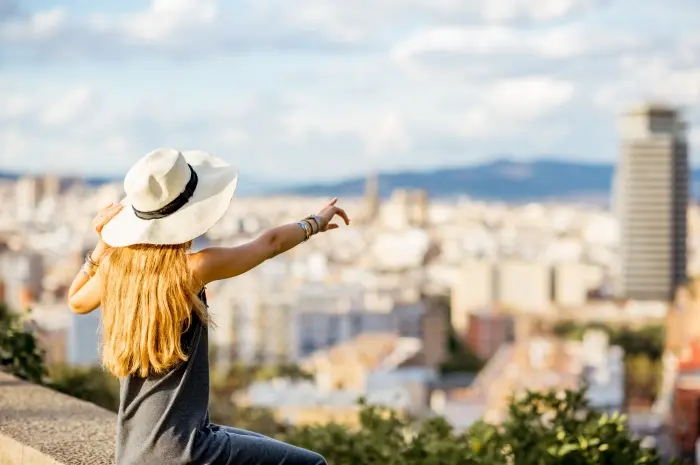
Explore essential cultural norms and practical tips with our guide on what not to do in Spain, ensuring a respectful and enjoyable visit to this vibrant country.
Spain is renowned for its rich history, diverse landscapes, and dynamic culture. While it is a welcoming country, certain customs and social norms should be respected to avoid offending locals and to enhance your travel experience.
This article outlines key behaviors to avoid when visiting Spain, providing insights into local etiquette and tips to help you navigate cultural differences. By understanding these nuances, you can enjoy a more authentic and respectful visit to this beautiful country.
1. Don’t Expect to Eat Dinner Early
In Spain, eating times are later than what many visitors might be used to. Dinner typically starts around 9 PM or even later. It’s important not to expect restaurants to be open for dinner much before this time, as you might end up disappointed.
Embrace the local dining schedule and enjoy the lively atmosphere of a Spanish night out, which is a central part of the cultural experience.
2. Avoid Loud and Boisterous Behavior in Public
While Spaniards are known for their vibrant festivals and lively expressions, there is still an expectation of courteous behavior in public spaces.
Being excessively loud or boisterous, especially in restaurants, on public transport, or in residential areas, can be seen as disrespectful. It’s important to be mindful of your surroundings and keep your volume at an appropriate level to respect local norms.
3. Don’t Expect Everyone to Speak English
While many Spaniards, especially in larger cities and tourist areas, do speak English, it should not be assumed. It’s respectful and appreciated to learn a few basic phrases in Spanish.
Not only will this help you navigate more easily, but it will also endear you to the locals who appreciate the effort to speak their language.
4. Avoid Discussing Sensitive Historical and Political Topics
Spain has a complex history, including the Civil War and the dictatorship of Franco, as well as ongoing political issues like the independence movements in Catalonia and the Basque Country.
These subjects can be quite sensitive, and it’s wise to avoid bringing them up unless someone else does first. Even then, it’s crucial to tread carefully and respectfully.
5. Don’t Disregard the Siesta Tradition
The traditional siesta time, typically from about 2 PM to 5 PM, is when many shops close, and people take a break to rest during the hottest part of the day.
While this practice is less common in big cities and tourist areas, it’s still observed in smaller towns and rural areas. Respecting this tradition means planning your day accordingly and being aware that many places will be closed during these hours.
6. Don’t Ignore Dress Codes, Especially at Religious Sites
When visiting churches and other religious sites in Spain, it’s important to dress modestly. Avoid wearing shorts, tank tops, or flip-flops.
This is both a sign of respect and often a requirement for entry. Observing these dress codes shows respect for Spain’s cultural and religious heritage.
7. Avoid Thinking All of Spain is the Same
Spain is incredibly diverse, with various regions each having their own unique customs, cuisines, and even languages. From the Basques in the north to the Andalusians in the south, regional identities are strong.
Appreciate and respect these differences; don’t assume that all of Spain is represented by the flamenco and bullfighting stereotypes often portrayed in popular media.
8. Don’t Forget to Tip, But Know When It’s Appropriate
Tipping in Spain is not required, but it is appreciated, especially in restaurants and bars. However, the tipping culture is not as significant as in some other countries, and tips are usually smaller.
A general rule is to leave around 5-10% of the bill if you’re satisfied with the service, but check your bill first as a service charge might already be included.
9. Don’t Take Photos of People Without Permission
When attending festivals or wandering through lively markets, it might be tempting to take photos of interesting people or performers.
However, always ask for permission before taking pictures of individuals, especially in more traditional or rural areas. This respects individual privacy and ensures that you are not invading anyone’s personal space.
10. Don’t Buy Souvenirs from Non-Official Vendors
Support the local economy by purchasing from official stores and markets rather than street vendors selling counterfeit or unauthorized goods.
This ensures that you get a genuine product and also supports the traditional craftsmen and local businesses that are a vital part of the cultural fabric of Spain.
Visiting Spain can be a delightful experience, rich with cultural interaction and historical depth. By being aware of and respecting local customs and regulations, you ensure that your visit is both respectful and enriching.
Spain offers a warm welcome to those who embrace its culture with open arms and an open heart, and by avoiding these common missteps, you will undoubtedly have a more authentic and enjoyable experience.